Seasonal risk insurance is vital for properties or businesses that are not in operation year-round. These risks, typically closed no more than 270 consecutive days, require special attention to ensure protection against potential hazards during periods of inactivity.
If a property is closed for more than 60 consecutive days without a proper endorsement, the vacancy clause of the insurance policy may be triggered, potentially limiting coverage.
So, what qualifies as a seasonal risk and how do you help your clients manage the particular exposures that could arise during the time the business is closed?
Seasonal risks refer to properties or businesses that operate only during specific times of the year. Common examples include:
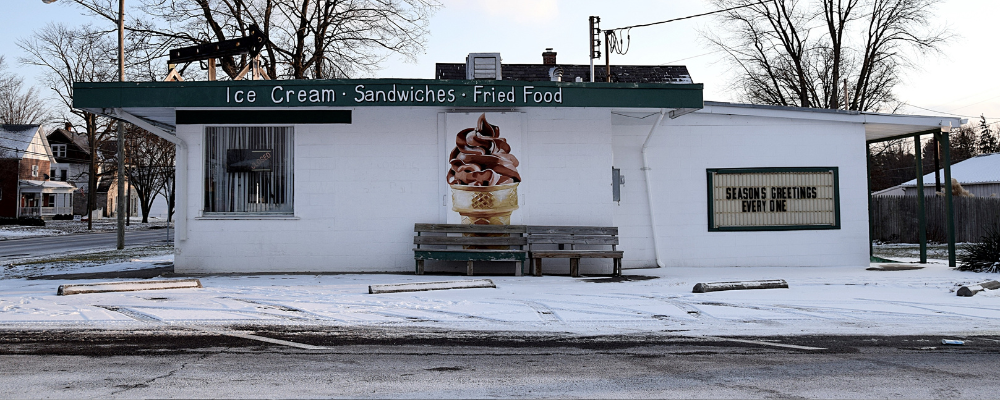
- Ice cream stores open exclusively in summer months, such as June, July, and August
- Restaurants in resort areas like Colorado, where owners reside elsewhere for part of the year
- Taverns in college towns that close during summer periods
- Secondary buildings with full kitchens used solely during the summer
To insure a seasonal risk, underwriters will likely have additional questions to help them assess the nature and duration of the property’s seasonal use.
Proper care and supervision of seasonal properties are crucial to minimizing risks. It is recommended to:
- Shut off the water supply and maintain adequate heat to keep pipes from freezing and causing water damage.
- Winterize the building if it will be closed for extended periods.
- Maintain active alarm systems and/or implement alternative protective measures to ensure the property’s security.
- Conduct regular walk-throughs and inspections - visual inspections from outside or police-only patrols are insufficient.
- Increase protective controls as the period of closure lengthens.
For food establishments and buildings with commercial kitchens, here are some additional considerations:
- If the business is open for six months or less per year, annual cleaning of hoods and ducts may be sufficient.
- Annual servicing of the fire suppression system may also be acceptable in these cases.
- When risks are closed and freezing is possible, chemicals in fire suppression tanks must be protected:
- The tank can be removed and stored in a heated location.
- Alternatively, sufficient heat must be maintained on-site to prevent freezing.
- The tank’s liquid can be replaced before the system is used again.
Seasonal risk insurance demands proactive planning and strict adherence to guidelines to ensure comprehensive protection. By following documentation protocols, maintaining property safeguards, and regularly inspecting the premises, owners can protect their seasonal operations and avoid pitfalls related to vacancy clauses.
Proper care and attention not only uphold the terms of insurance but also ensure peace of mind throughout the year, regardless of when the business is in operation.
For more information about insuring your business with ICC, use our Find an Agent search and locate an agent in your area.